While following Christ can sometimes be treated as a seasonal or primarily interior activity, the reality is that discipleship engages the whole person. But effort alone does not make a disciple. Discipline forms us only when it is ordered toward relationship with Jesus Christ.
“Fasting is proposed to us as an instrument to restore friendship with God.”
Benedict XVI, Lenten Message 2009
St. Paul often compares discipleship to athletic training – not to glorify effort, but to clarify intention (cf. 1 Cor 9:24–27).
Weight Training: Fasting
Fasting does not make us powerful. It teaches us how to be free.
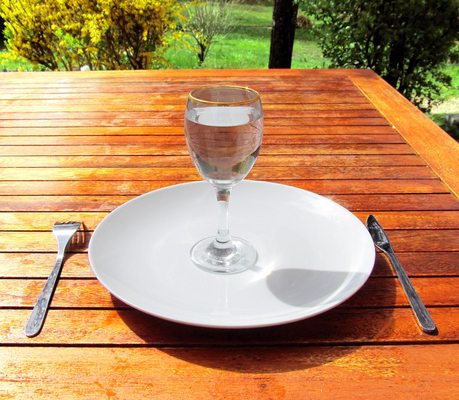
Fasting is often compared to weight training. But instead of strengthening physical muscles, it trains our capacity to choose God freely. Fasting does not reject the body or its needs. It teaches us that desire does not have to rule us.
Father Sergius Halvorsen frames fasting not as deprivation, but as a concrete exercise of freedom:
We all need to eat in order to survive, so the desire to eat—to fill our stomachs when we are hungry—is a powerful and fundamental instinct. Because the desire to eat and be satisfied is such a powerful desire, voluntarily abstaining from food is profound expression of free will. Feeling hungry, or feeling that twinge of desire for double chocolate malted crunch ice cream, but then choosing to use our God-given free will to say, “not now” is incredibly powerful.
The Church calls us to a few specific forms of fasting for Lent. In general, the Church says tha healthy Catholics between the ages of 18 and 59 are obliged to fast on Ash Wednesday and Good Friday. In addition, all Catholics 14 years old and older must abstain from meat on Ash Wednesday, Good Friday and all the Fridays of Lent (read more about the Lenten guidelines).
These practices are not arbitrary tests of obedience. They are communal guardrails that help the Church practice freedom together.
Freedom Needs Form
Fasting matters not because food is bad, but because love requires freedom. By loosening our grip on what sustains us, fasting creates space to receive God as the one who sustains us.
Some Catholics choose to extend fasting beyond the Church’s minimum guidelines by abstaining from particular comforts or habits. When done prayerfully, this can heighten awareness of dependence on God and sharpen attention to the needs of others.
Lent invites us to take the Church’s fasting discipline seriously, and to discern additional practices only if they serve conversion rather than performance.
For those discerning how fasting might take shape beyond the Church’s minimum requirements, What to Give Up for Lent: Suggestions for Evangelizers offers guidance rooted in mission rather than self-optimization.
Prayer, fasting, and almsgiving are not just “Lenten disciplines.” They are essential to Christian life and most fruitful when they flow from relationship with Christ and remain ordered toward love of neighbor.
Back to Lent is Not a Reset Button
Adapted and with quotes from "Prayer, Fasting, and Almsgiving: They're Not Just For Lent Anymore" by Fr. Sergius Halvorsen.