The Making Disciples Today Blog has reflections to help you grow in your journey of missionary discipleship, reviews on recommended Catholic evangelization resources, and practical insight on how to evangelize in your daily life.
- Details
- Written by: Burning Hearts Team
People rarely ask for a prayer resource in the abstract. They ask because something has shifted. A parishioner wants more than the prayers she learned as a child. A staff member realizes he prays about his ministry but not much else. A mother wants her family to pray together and doesn't know how to begin without it feeling forced.
The honest problem is that the right next resource depends on where the person already is. A book that opens things up for one person sits unread on someone else's nightstand, and an app that builds one person's habit is one more notification to someone else.
This guide sorts recommended prayer resources into four groups, so you can suggest something that fits rather than handing everyone the same book. Most of what's in it is free.
Four Places People Start
Each group is described by what a person would say about their own prayer, not by how holy they are. Read the descriptions, decide which one sounds like the person in front of you, and turn to that section.
Getting Started
"No one ever really taught me how to pray." Someone who knows the Our Father and the Hail Mary, prays at Mass or at meals, and isn't sure what a relationship with Jesus would even look like.
Building a Routine
"I pray, but usually when I need something." Someone who prays most days, for a few minutes, and wants a rhythm that fits an ordinary life.
Learning to Listen
"I talk to God all day, but I'm not sure he's talking back." Someone with a real prayer life that has gone quiet or dry, who wants to learn to listen.
Praying as a Family
"We pray before meals, and that's about it." Parents and couples who want to pray together, with children of any age.
Each section recommends videos, audio, books, apps, and websites, with a short description of each, so a person can choose the format they will actually use.
What's Inside
- The Gift of Prayer — why prayer begins with God's invitation rather than our effort, and what that changes
- Praying with Children — making time, claiming it, and being realistic about what family prayer looks like in a loud house
- Four groups of resources — roughly 60 recommendations across video, audio, books, apps, and websites, most of them free
- Guided prayer you can pray along with — not only material about prayer
Who This Is For
Anyone who gets asked "what should I read?" and wants a better answer than whatever they read last: catechetical leaders, small group leaders, RCIA teams, sponsors, spiritual directors, and anyone walking with another person whose prayer is growing.
It works for your own prayer too. Most of us have settled into one way of praying and haven't left it in a while.
How to Use It
Start with the person, not the list. Ask what their prayer looks like now, what they have tried, and what fell apart. Then find the group that matches what you heard, and suggest one thing rather than five. A resource someone actually uses does more than a stack of better ones they never open.
We check the links and refresh the list as new resources are released, so this page always holds the current version.
- Details
- Written by: Kristin Bird
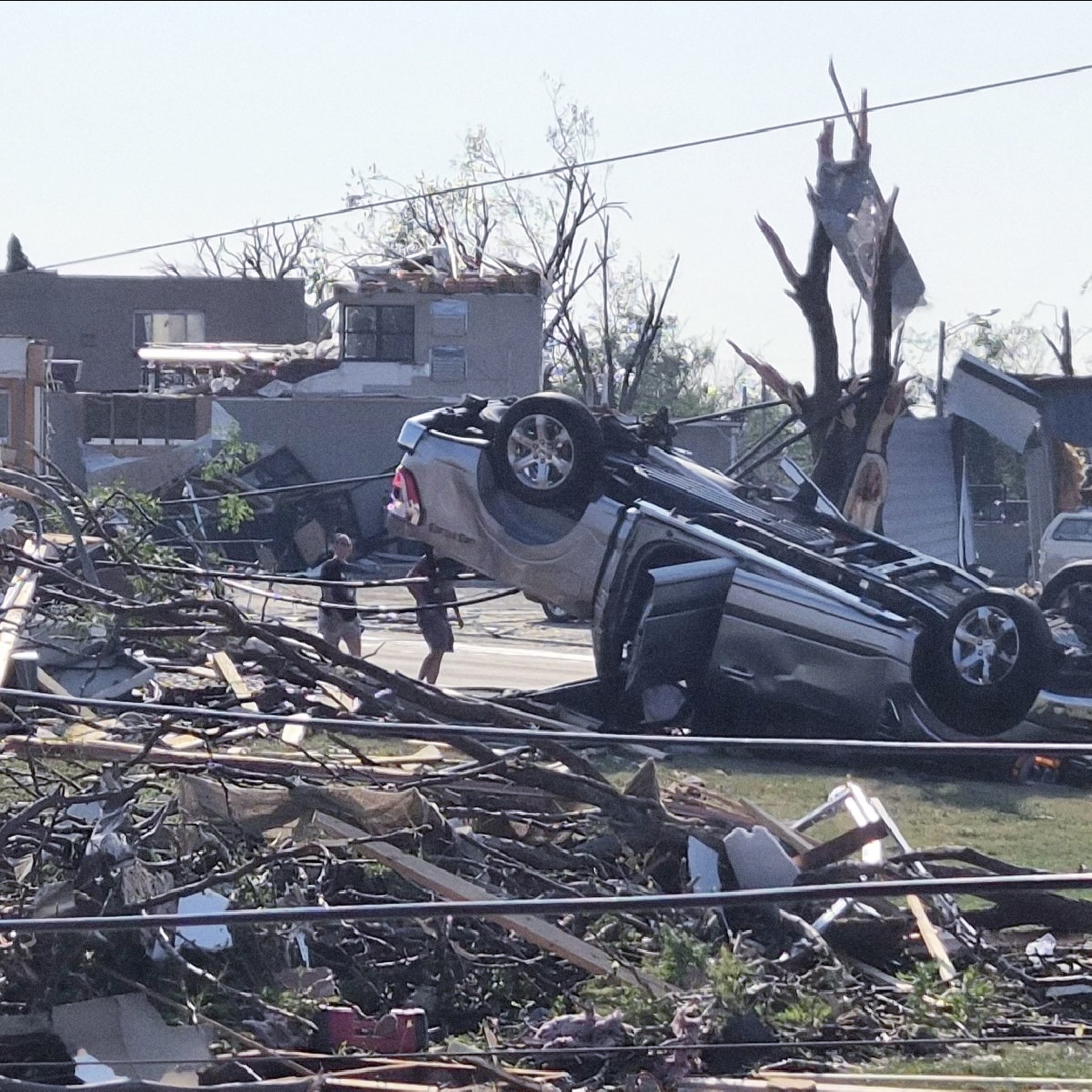
On July 27, 2026 an EF3 tornado tore through Appleton, Neenah, Fox Crossing, and Menasha in Wisconsin – less than 9 miles from where we are based.
In just 26 minutes, it traveled more than 12 miles, with peak winds estimated at 140 miles per hour. Sixty-eight people were injured. Homes and businesses were damaged or destroyed. Trees were uprooted and power lines came down across the Fox Cities. Miraculously, no one was killed.
The cleanup began almost immediately.
People brought food. Cleared trees. Hauled debris. Donated money. Checked on neighbors. Businesses stepped in. Volunteers showed up with gloves, trailers, chainsaws, rakes, whatever they knew how to use.
My sister, her daughter, and one of my sister's friends felt particularly drawn to go help with the physical cleanup. So I went with them.
There was nothing particularly strategic about it. There was damage. There were people who needed help. And for them, the response that made sense was to show up and work.
Standing in the middle of that kind of destruction makes something else painfully obvious: There is far more need than any one of us can meet.
That is true after a tornado. It is also true whenever we encounter people who are facing crisis in their lives.
- Details
- Written by: Kristin Bird
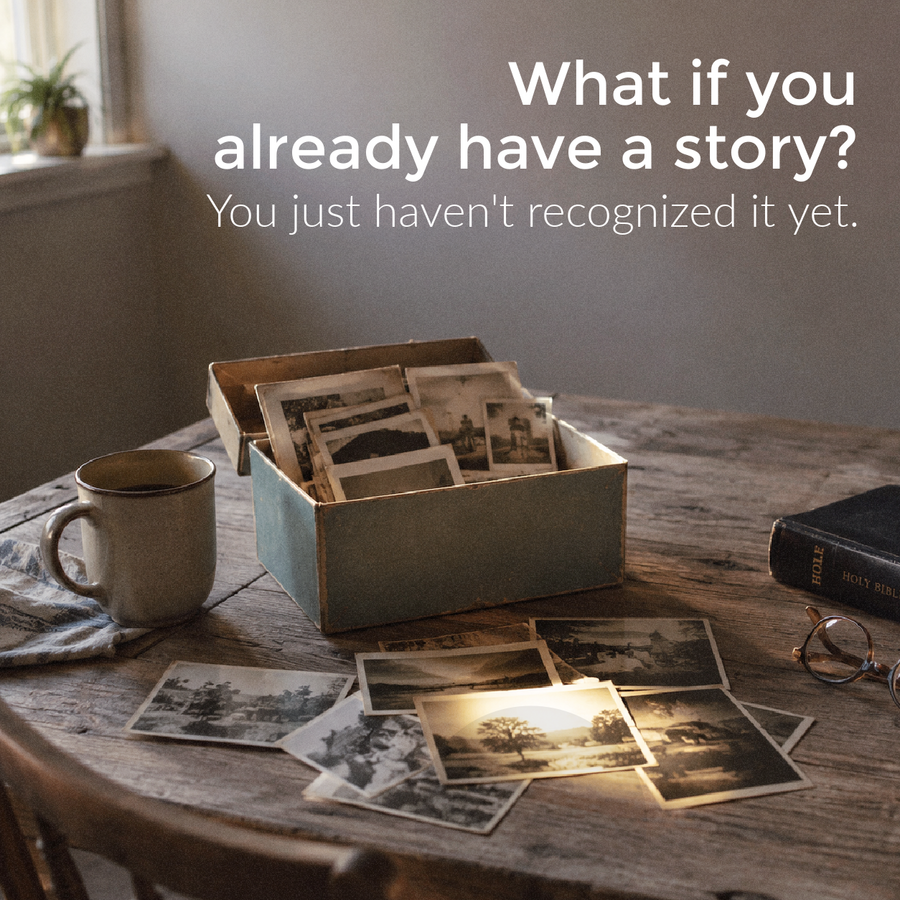
Finding Your Christian Testimony
Have you ever had someone ask you, "So why do you actually believe?"
Maybe it's your niece in the kitchen, a coworker over lunch, or a friend after a funeral.
You know the faith. You could explain the Creed, the sacraments, why the Church teaches what she teaches.
But they didn't ask what you believe. They asked why.
Nothing dramatic comes to mind. No rock bottom. No life-changing moment that explains everything. No story that seems big enough to tell. So you share something true and general instead. They nod. The moment closes.
You walk away wondering why you couldn't answer a question you've spent your whole life trying to help other people answer.
- Details
- Written by: Kristin Bird
What a week in London revealed about formation, trust, and the Holy Spirit
I've been back from London for two weeks now. I keep waiting to feel ready to summarize it. I'm not sure that's coming.
What I can do is tell you what I keep returning to.
We Experienced Something We Didn't Have a Name For
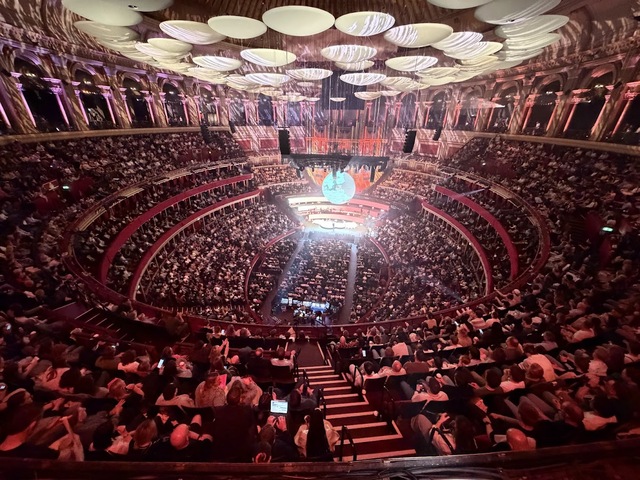
In late April, my college-aged daughter Elizabeth and I joined about 400 Catholic and Protestant leaders from around the world for the Alpha Leadership Tour – a week visiting churches in London and Oxford where the Gospel is bearing visible missionary fruit. It ended with two days at the Leadership Conference at Royal Albert Hall, where 6,000 leaders from nearly every continent gathered to worship, learn, and ask hard questions together.
I've been to conferences. I've been to formation events. I've been to gatherings designed to inspire and equip.
This was different. And it took me most of the week to understand why.