What is the Kerygma? The Gopsel Proclaimed Simply
What Is the Kerygma?
Many Catholics know the faith—but still struggle to name the Gospel plainly. This hub exists to expose where the kerygma gets assumed, softened, or replaced, and to map what comes next.
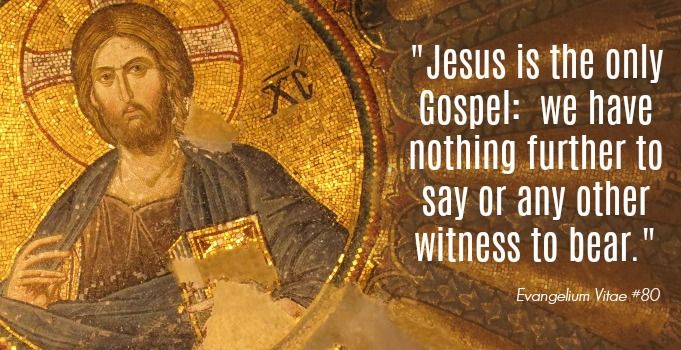 At the heart of Christianity is not a program, a system, or a philosophy. It is a person: Jesus Christ – alive, present, and inviting you into relationship with Him.
There are many faithful ways to articulate the kerygma. What matters most is not the formula, but the clarity of the proclamation and the witness of the person doing the proclaiming.
Start with the definition. Then use this hub to identify where the kerygma is getting assumed – and to find the right pathway for proclamation, encounter, and leader tools.
The Kerygma Defined: The Gospel Stated Plainly
If the kerygma is unclear, faith becomes abstract and discipleship stalls.
“[Silent] witness, no matter how excellent, will ultimately prove ineffective unless its meaning is clarified and corroborated…the good news proclaimed by a witness of life sooner or later has to be proclaimed by the word of life. (Pope Paul VI, Evangelii Nuntiandi, 22)
The word kerygma comes from the Greek kēryssō – to proclaim aloud. It is meant to be heard, received, and lived.
Start here
- If the meaning of the kerygma is unclear, begin with the definition: read it here →
- If the definition is clear but you’re not sure what proclamation looks like in real life, start with Where the Kerygma Is Proclaimed ↓
- If you need to integrate the kerygma into preaching, teaching, or formation, jump to Leader Tools ↓
- If evangelization keeps getting discussed but not embodied, start with where proclamation becomes mission ↓
The Gospel, proclaimed — not assumed.
The kerygma has a specific meaning. If the definition is unclear, start there before moving into tools, strategy, or resources. Read: The Kerygma Defined →
The kerygma is not a program, method, or summary of Church teaching. It is the proclamation of Jesus Christ — crucified and risen — and the invitation to respond to Him.
Download the One-Page Guide
A one page proclamation you can put in the hands of your team, your catechists, or your small group.
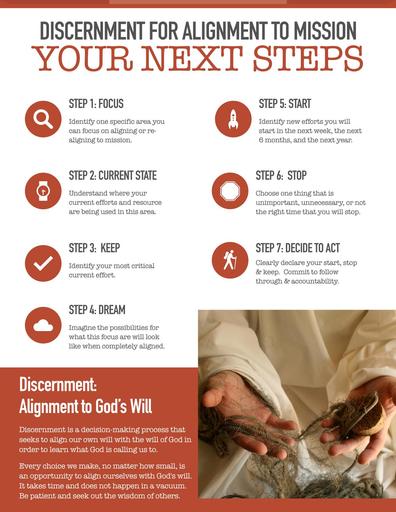
Before moving on to tools or strategy: pause.
The kerygma is not just something you understand. It is something you receive.
After spending time with the Gospel, you may want to examine how you are responding to Jesus in daily life. Use the Examination of Conscience: Responding to Jesus in Faith, Hope, and Love for personal prayer or preparation for Confession.
Receiving the Gospel requires more than comprehension. It requires the interior attentiveness that prayer and discernment make possible.
Before asking how to proclaim the Gospel, take time to recognize how you have personally encountered and responded to Jesus. Use the Living as Missionary Disciples: Encounter Reflection →
What Christians Mean by “Good News”
Not a slogan. Not a sentiment. A specific proclamation.
Many people encounter Christian language through prayer, Scripture, or moments of gratitude without ever hearing the Gospel named clearly.
When Christians speak of “good news,” we are not speaking in generalities. We are proclaiming something specific that God has done.
“Good news” is not a general religious feeling. It refers to something God has done in Jesus Christ – and it must be named plainly.
If this is truly good news, it should sound like good news when it is proclaimed – and look like good news in the lives of those who claim to believe it.
When the Gospel is reduced to obligation, correction, or cultural habit, it stops sounding like good news at all. The kerygma reminds us that Christianity begins not with a demand, but with a gift. The way it is proclaimed should reflect the joy of what is being announced.
See the Apostolic Pattern
Peter’s proclamation at Pentecost shows that the kerygma is not a vague invitation to become more spiritual. It names what God has done in Jesus Christ—his life, death, resurrection, lordship, and gift of the Holy Spirit – and calls the listener to respond.
Michael Steier of the U.S. Conference of Catholic Bishops examines that pattern in Acts 2 and connects it to the credibility, preparation, and attentiveness required of witnesses today.
Read Kerygmatic Proclamation of Jesus Christ →
Kerygma Tools for Leaders
Same Gospel. Different contexts.
The kerygma is not only for seekers or first-time believers. It is for the baptized. It is for leaders. The message does not change, but the way it is proclaimed must fit the people and setting entrusted to you.
Practice Proclaiming the Gospel
Choose one person you know and practice expressing the five movements of the kerygma in language they could understand. This worksheet helps you listen first, name Jesus clearly, and offer an invitation suited to the person’s openness.
View Kerygma in Your Own Words →
Catechists & RCIA Teams
Tools and resources for those leading others in structured formation contexts – OCIA, adult faith formation, small groups, and parish discipleship – where the Gospel must be proclaimed clearly, not assumed.
Families & Youth
Resources designed to help parents, youth ministers, and those working with children and youth proclaim the Gospel simply and relationally – naming the Good News in age-appropriate ways.
From Proclamation to Mission
When the Gospel is proclaimed clearly, renewal becomes possible.
When the kerygma is named plainly and personally, something fundamental shifts. Faith moves from obligation to relationship. Discipleship moves from maintenance to mission. Evangelization becomes possible because the Gospel is no longer assumed – it is received.
Many parishes and ministries sense that something is missing. Energy is spent. Programs multiply. People participate, but transformation feels thin. The instinct is often to add more structure, more strategy, or more activity.
But mission doesn’t begin with better initiatives.
It begins with clearer proclamation.
When the Gospel is unclear, discipleship becomes moral effort. When the Gospel is assumed, evangelization becomes invitation without content. When the kerygma is proclaimed clearly, people are finally given something to respond to – not a role to perform, but a relationship to enter.
But unless the Gospel we proclaim reshapes the hearts of leaders first, our structures will quietly protect comfort over conversion. Understanding the kerygma is one thing. Allowing it to confront our fear, our control, and our priorities is another. We explore that tension more deeply in Why Mission Stalls.
That same tension resurfaced for us powerfully during a week in London surrounded by Christian leaders from around the world – especially the question of what happens when formation becomes more trusted than the Holy Spirit Himself. We reflected on that further in A Pentecost People.
Proclamation is not sustained by strategy alone. It requires leaders attentive to prayer, discernment, and the movement of the Holy Spirit in ordinary ministry.
Clear proclamation does not stay abstract. When the Gospel is named plainly and personally, it reshapes how disciples are formed, how leaders lead, and how communities understand their purpose. These resources show what happens when the kerygma is allowed to do its proper work:
- Discipleship Compass — helping leaders move from maintenance to intentional missionary discipleship through clarity of purpose and direction.
- Living as Missionary Disciples — grounding evangelization in lived faith, relational encounter, and daily witness.
- Share Your Story — forming disciples who can name God’s action in their lives and invite others into relationship through testimony.
- Parish Leadership & Evangelization Priorities — showing how leadership clarity and evangelization focus shift a parish from maintenance to mission.
- Mission and Ministry: Making Disciples Inside and Outside the Walls — illustrating how clear proclamation sustains both internal formation and outward mission.
- Why Mission Stalls – examining why mission momentum often stalls — and why repentance, not strategy, is what moves structures forward.
When a parish or community needs renewal, the starting point is not a new initiative. It is the Gospel, proclaimed. If renewal is what you want, clarity is the price.
Invite a Kerygma Mission or Speaker →Where the Kerygma Is Proclaimed
The Gospel, named and lived in real contexts.
The kerygma is not confined to a single talk, formula, or moment. It is proclaimed whenever the Gospel is named clearly and personally. That can be in preaching, testimony, catechesis, accompaniment, or everyday conversation.
The articles below explore what that proclamation looks like across different settings and seasons of ministry. Each one shows the kerygma at work: spoken as good news meant to be heard and received by a variety of audiences.